How to Choose Tile or Vinyl Flooring for a Bathroom
Last Updated: November 9, 2026
Quick Summary
Tile is the more durable, resale-friendly choice for bathroom flooring, while vinyl is warmer, quieter and faster to install. Both handle moisture well when installed correctly, so the right pick depends on subfloor condition, water exposure, budget and how long you plan to stay.
Tile needs a cement backer board or uncoupling membrane over wood subfloors, plus waterproofing in wet zones.
Vinyl plank requires a smooth, clean, level subfloor, since ridges or old adhesive will telegraph through.
Tile grout is porous unless sealed, so reseal it as the manufacturer recommends.
Ask contractors for itemized estimates separating demolition, subfloor repair, underlayment, flooring and disposal.
Test the subfloor for moisture before any finish goes down to avoid later adhesive or bond failure.
Table of Contents
Choosing between tile and vinyl flooring for a bathroom comes down to water exposure, subfloor condition, budget and how much installation work you can handle. If you are also weighing waterproof wall panels as a bathroom alternative, that comparison is covered separately. Homeowners dealing with bathroom floors damaged by leaks and storms often face the same decisions. This guide walks through the core trade-offs so you can match the right bathroom flooring to your home and your situation.
Tile vs Vinyl Flooring for Bathrooms: The Core Trade-Off
Tile is the more rigid, long-lasting option, while vinyl is the warmer, quieter and usually faster-to-install choice. Both handle moisture well when installed correctly, but they fail in different ways. Tile cracks or loses grout when the subfloor flexes. Vinyl can lift or curl when water gets underneath it.
Most decisions come down to three questions: how much water the room sees, how solid the subfloor is, and whether you plan to stay in the home long enough to justify a heavier investment. Answer those first and the choice narrows quickly.
Tile vs Vinyl Flooring for Bathrooms Cost
Cost is usually the first filter homeowners apply, and the gap between tile and vinyl is wide enough to change the decision on its own. Pricing depends on room size, product grade, regional labor rates and how much subfloor repair is needed, so request a quote from Rapid Refurb for current prices.
What drives the difference. Tile installation typically requires more materials and labor hours than vinyl. Tile also adds materials vinyl does not need: cement backer board or an uncoupling membrane, thin-set mortar, grout, sealant and often a waterproofing membrane in wet zones. Vinyl needs a flat, clean substrate but far fewer layers.
Hidden costs to ask about. Demolition and haul-away of the old floor, subfloor repair or replacement if water damage is found, toilet removal and reset, and transition strips or thresholds. Ask for itemized estimates that separate demolition, subfloor repair, underlayment, the flooring itself and disposal, so bids that look far apart on the surface can be compared line by line.
Resale math. Tile is often perceived by buyers as a permanent, higher-end finish. Vinyl's lower upfront cost can still win if you plan to move within a few years or if the subfloor condition makes a tile install risky without major prep work.
Tile vs Vinyl Flooring for Bathrooms Pros and Cons
Tile pros: Very durable, resists heat and stains, handles heavy fixtures well, and holds resale appeal.
Tile cons: Hard and cold underfoot, slower and more labor-intensive to install, and grout needs periodic sealing and cleaning.
Vinyl pros: Warmer and softer underfoot, quieter, faster to install, and generally more forgiving on uneven subfloors.
Vinyl cons: Can dent under heavy objects, shows wear over time, and damaged planks may need replacing rather than spot-repairing.
The strengths and weaknesses of each material at a glance:
Material | Strengths | Weaknesses |
Tile | Very durable, resists heat and stains | Hard and cold underfoot, slower to install |
Tile | Holds resale appeal | Grout needs periodic sealing and cleaning |
Vinyl | Warmer and softer underfoot | Can dent under heavy objects |
Vinyl | Quieter and faster to install | Damaged planks may need replacing rather than spot-repairing |
Why Tile vs Vinyl Plank in Bathroom Installations Differ
Vinyl plank and tile respond differently to the same bathroom conditions. Tile is a rigid system: it stays put as long as the substrate is stable, but any movement cracks the tile or breaks the bond. Vinyl plank is more flexible and can absorb small amounts of subfloor movement, but it depends heavily on a tight, sealed perimeter and proper adhesive or click-lock fit to keep water out.
The practical difference shows up at the edges. Tile installations rely on grout lines and sealed transitions, while vinyl plank relies on its seams and the wall-to-floor junction. Both need a waterproof approach at the tub and toilet, which is where most bathroom floor failures start.
Bathroom Flooring Water Resistance and Maintenance
Both materials resist surface water well. The weak points are the joints and the layer beneath the finish. Tile grout is porous unless sealed, so it can stain and harbor mold if neglected. Vinyl seams can open if the adhesive fails or water pools at the edges.

Maintenance is straightforward. Clean tile with a pH-neutral cleaner, reseal grout as recommended by the manufacturer, and check caulking around the tub each year. For vinyl, wipe up standing water promptly, avoid harsh abrasives that dull the wear layer, and inspect seams for lifting. Watch out: standing water under vinyl or behind tile can rot the subfloor quietly, so any soft spot or musty smell deserves prompt inspection.
Subfloor Preparation, Installation Time and DIY Feasibility
Subfloor preparation is a critical step in bathroom flooring projects. Both tile and vinyl need a flat, dry, structurally sound base, but they define those words differently, and the failure modes are not the same.
Moisture testing. Before any finish goes down, the subfloor should be tested for moisture, since skipping this step can contribute to adhesive and bond failure after installation.
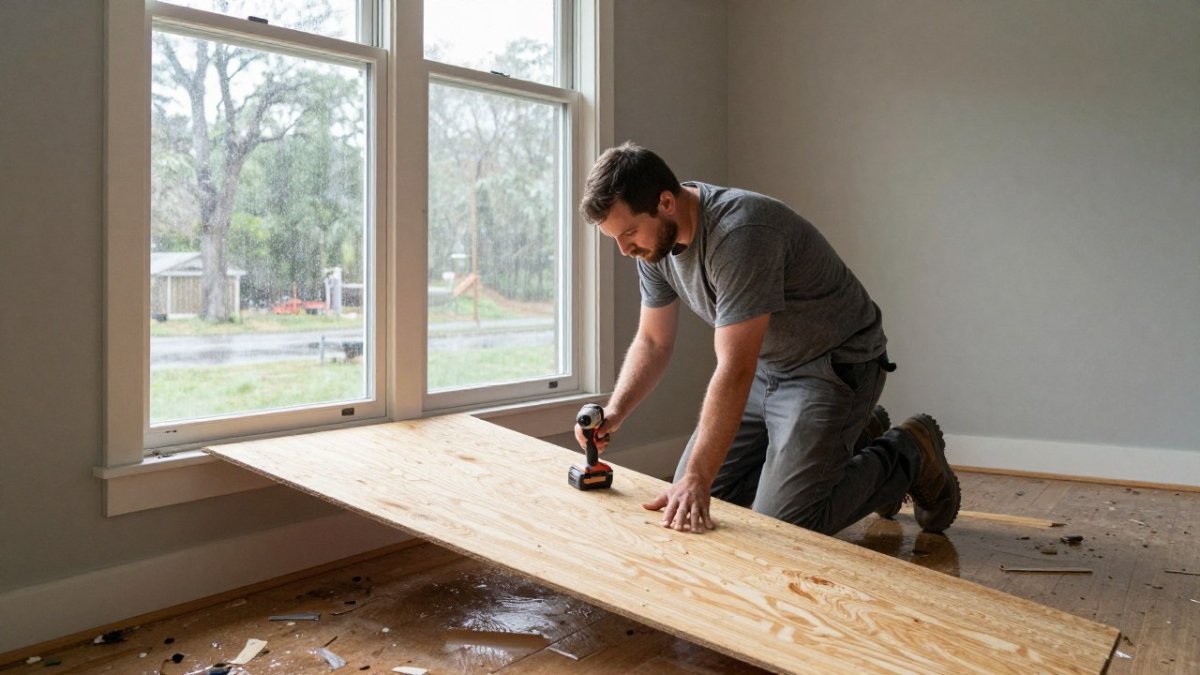
Substrate by material. Tile over a wood subfloor needs a cement backer board or an uncoupling membrane, plus a waterproofing membrane in wet zones around the tub, shower and toilet. Vinyl plank can go over a properly prepped plywood or concrete subfloor, but it needs a smooth, clean, level surface; any ridges, paint drips or old adhesive will telegraph through. Sheet vinyl needs underlayment-grade plywood or a patching compound over the entire floor.
Installation time. Tile typically takes longer than vinyl plank because of setting, grouting and curing time, and the floor should not be walked on or exposed to water until the thin-set and grout have cured per the manufacturer's schedule. To see what professional repair work on water-damaged floors involves, review our water damage repair page.
DIY feasibility. Vinyl plank can suit a confident DIYer if the subfloor is sound and flat and you are comfortable with cutting, click-lock or adhesive work, and sealing the perimeter. Tile is harder to do well without experience: layout, thin-set consistency, grout lines and waterproofing all have narrow margins, and a failed shower pan or tub surround is expensive to redo. Leaks or subfloor damage behind the finish are best handled by a professional who can diagnose the cause.
Repairability, the angle most guides miss. A single cracked tile can sometimes be replaced, though matching tile and grout color can be difficult and the repair may be visible. A damaged vinyl plank in a click-lock floor can sometimes be swapped, while glued-down or sheet vinyl may require patching a larger area. In a wet environment, the repair itself has to be waterproof, which is why the perimeter seal and the subfloor condition matter as much as the surface material.
Watch out: laying new flooring over a soft spot, a musty smell or a floor that flexes is the most common way a bathroom floor fails early, regardless of which material you choose.
Slip Safety, Comfort and Resale Value
Slip resistance matters more in bathrooms than almost anywhere else. Look for textured tile or vinyl rated for wet areas, and check the slip-resistance rating on the product label. Matte or textured finishes typically perform better than high-gloss options when wet.
Comfort favors vinyl, especially in colder climates where tile can feel harsh. Resale value tends to favor tile, which buyers often associate with a higher-end renovation. Vinyl can still look good and perform well, so choose the option that fits how long you plan to stay and how you use the space.
Choosing the Right Bathroom Floor and Getting a Quote
Start with the condition of the subfloor. If water has already caused damage, repair the source and the subfloor before choosing a finish, because flooring cannot fix a leak underneath it. Then match the material to your budget, how much moisture the room sees and how long you plan to stay.
When you are ready to move forward, request written estimates from licensed, insured contractors who inspect the subfloor and explain each line item. Our guide on how to choose a reliable contractor for renovations explains what to look for in experience, communication and workmanship. For guidance on planning repairs and managing contractors, see home rebuilding tips from trusted contractors. Rapid Refurb can inspect your bathroom and provide a quote for the flooring you choose. Our team also communicates directly with insurance adjusters when damage is part of a claim. Contact Rapid Refurb to get a quote for your bathroom floor project.
Frequently Asked Questions
Is tile or vinyl better for a bathroom?
Tile is generally the more durable and heat-tolerant choice, and it handles heavy moisture well when the grout is sealed and the subfloor is properly prepared. Luxury vinyl plank is warmer underfoot, softer, quieter and easier to install over an existing floor, and it is fully waterproof at the surface. Many homeowners pick vinyl for cost and comfort and tile for long-term durability. Your choice should depend on how much you plan to stay in the home, your budget and how much moisture the room sees. For a quote tailored to your bathroom, contact Rapid Refurb for current pricing.
Will mold grow under vinyl flooring?
Mold can grow under any flooring if water reaches the subfloor and stays there. Vinyl itself is waterproof, but seams, gaps at the perimeter and a damaged subfloor can let moisture collect underneath. Proper subfloor preparation, a moisture barrier where recommended by the manufacturer, and sealed edges reduce that risk considerably. Check the floor regularly for soft spots, odor or lifting planks, and address any leak promptly.
How long does bathroom vinyl flooring last compared with tile?
Luxury vinyl plank and porcelain or ceramic tile can each last many years when installed and maintained properly. Vinyl's lifespan depends heavily on its wear layer thickness and how well it is installed, and it can be damaged by dropped heavy objects or heat. Tile resists scratches and heat but cracks if the subfloor flexes. Actual longevity varies by product and installation quality, so ask for the manufacturer's warranty and installation specifications before deciding.
Which bathroom flooring is less slippery when wet?
Slip resistance depends more on the specific product than the material category. Matte or textured tile, and vinyl with a textured surface, typically provide better grip than glossy finishes. Look for a rated slip-resistance value from the manufacturer, and consider smaller tiles with more grout lines in areas near the shower or tub. A bath mat with a non-slip backing adds grip in wet zones. If you have mobility concerns, discuss floor finish options with your installer before work begins.


Comments