GFCI and AFCI Outlets Explained: Code Updates for Older Greensboro Homes
If you live in an older home in Greensboro, Randleman, or anywhere in Guilford or Forsyth County, there's a good chance some of your outlets and breakers don't match what goes into a new house today. Most of the time you'd never notice. Lights turn on, the toaster works, and life goes on.
But two kinds of electrical protection, GFCI and AFCI, are designed to stop problems most people never see coming. Here's what they are, where they belong, and when it makes sense to update an older home.
What Is a GFCI?
GFCI stands for ground fault circuit interrupter. It's the outlet with the little "TEST" and "RESET" buttons you've probably seen in a bathroom or kitchen.
A GFCI watches the electricity flowing out and back on a circuit. If some of that current starts leaking somewhere it shouldn't, like through water or through a person, the GFCI shuts the power off almost instantly. Its job is to protect people from electrical shock.
That's why GFCI protection shows up in places where water and electricity are close together:
Bathrooms
Kitchen countertops
Laundry areas and spots near sinks
Garages
Outdoor outlets
Crawlspaces and unfinished basements
GFCI protection doesn't always have to be a special outlet. It can also come from a GFCI breaker in your panel, or from one GFCI outlet that protects other outlets "downstream" on the same circuit. That's why a dead bathroom outlet is sometimes fixed by pressing a reset button in a different room.
What Is an AFCI?
AFCI stands for arc fault circuit interrupter. Instead of protecting people from shock, an AFCI is designed to help prevent electrical fires.
An arc is a spark that jumps where it shouldn't, such as across a loose connection, a nicked wire behind a wall, a cord pinched under furniture, or a worn-out outlet. Those small arcs can create a lot of heat over time. An AFCI is built to recognize the electrical pattern of a dangerous arc and cut power before it turns into something worse.
AFCI protection is usually provided by a special breaker in your electrical panel, though AFCI outlets also exist. Over the years, electrical codes have expanded AFCI requirements from bedrooms to most living areas of a home, including living rooms, hallways, closets, and in newer editions, kitchens and laundry areas.
GFCI vs. AFCI at a Glance
GFCI: protects people from shock. Found where water is nearby.
AFCI: helps protect the house from fire caused by arcing. Found on circuits feeding living spaces.
Dual-function devices: some breakers and outlets combine both kinds of protection in one.
Does My Older Home Have to Be Updated?
This is the question we hear most. In general, electrical codes apply to new work. An existing home usually isn't required to be brought up to the newest code just because the code changed.
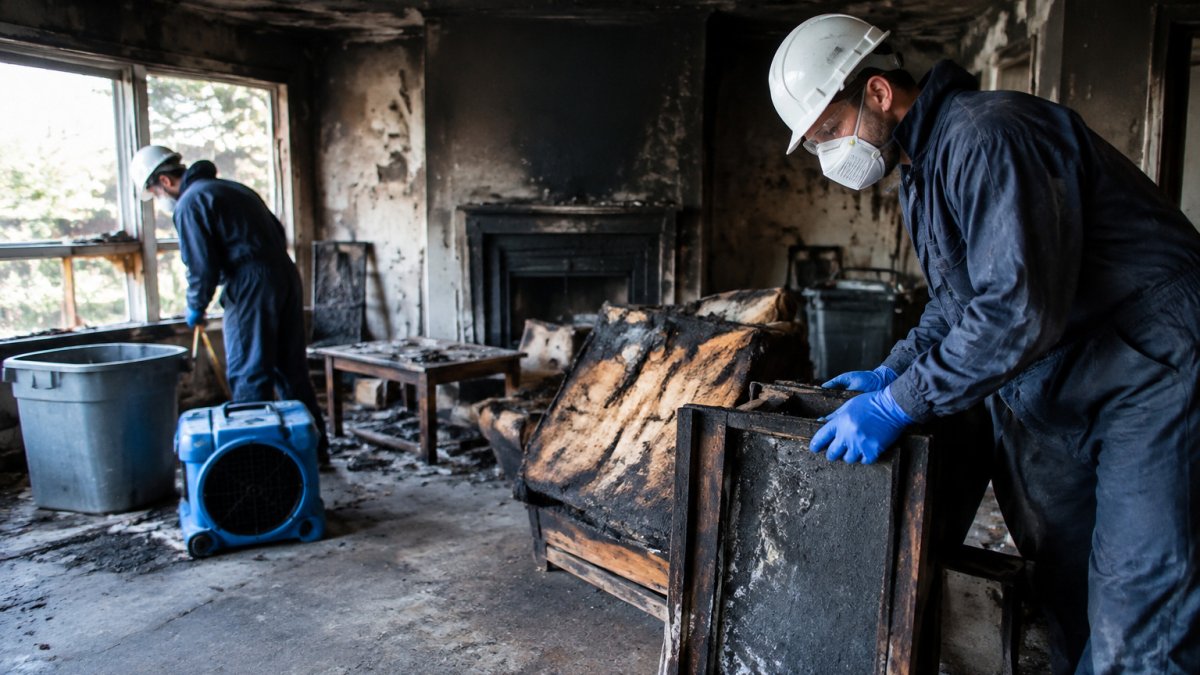
That changes when work is done. When you renovate a kitchen, finish a basement, add a circuit, replace a panel, or rebuild after water or fire damage, the new or altered work typically has to meet the code in effect at the time. That can mean adding GFCI or AFCI protection to circuits that never had it. The details depend on the scope of the project and what your local inspector requires, which is one reason it helps to work with a licensed electrical contractor from the start.
Even when it isn't required, adding protection to an older home is often a smart, relatively affordable safety upgrade.
Signs It's Worth a Closer Look
Consider having your outlets and panel checked if you notice:
No GFCI outlets in bathrooms, the kitchen, the garage, or outside
Two-prong outlets with no ground. In many cases a GFCI can be installed as a safer replacement where adding a ground isn't practical, and it's labeled accordingly
GFCIs that won't trip or won't reset when you press the buttons
Outlets that feel warm, look scorched, buzz, or spark when something is plugged in
Loose outlets where plugs fall out easily
Breakers that trip often, or a panel that's older and hasn't been looked at in years. Our post on signs your electrical panel needs an upgrade covers that in more detail
A Simple Habit: Test Your GFCIs
GFCI outlets have a test button for a reason. Pressing TEST should cut power to the outlet (and anything protected downstream), and pressing RESET should restore it. Many manufacturers recommend testing monthly. If the outlet doesn't shut off when you press TEST, it isn't protecting you, and it should be replaced.
AFCI breakers usually have a test button too. If one trips repeatedly, don't just keep resetting it. That breaker may be pointing to a wiring problem or a failing device that needs attention.
Why a Nuisance Trip Isn't Always a Nuisance
Some homeowners get frustrated when a new GFCI or AFCI trips and want to swap it back to a standard outlet or breaker. We'd encourage you not to. Frequent tripping can come from an old appliance, a damaged cord, moisture in an outdoor box, or a wiring issue hidden in a wall. The fix is finding the cause, not removing the protection.
Planning a Project? Bundle the Upgrade
If you're already planning a kitchen or bathroom remodel, a basement or garage project, or a rebuild after damage, that's the easiest time to add GFCI and AFCI protection. If your walls are open from a restoration, our post on upgrading wiring and plumbing during a rebuild explains why that window matters.
Rapid Refurb is licensed for electrical work, and we handle turnkey projects from start to finish with one team accountable for the whole job. We're not an emergency service and don't offer 24/7 response. What we do offer is careful, well-planned electrical, plumbing, renovation, and restoration work for homeowners in Greensboro, Randleman, and throughout Guilford and Forsyth Counties.
Get Your Outlets Checked
If you're not sure whether your home has the protection it should, or you're planning a project and want it done right, we're glad to take a look.
Call us at 336-951-8534 or email estimates@igotrefurbed.com to talk about GFCI and AFCI upgrades for your home.



Comments