Signs Your Electrical Panel Needs an Upgrade (Federal Pacific, Zinsco, Fuses, and 100-Amp Service)
Most homeowners don't think about their electrical panel until a breaker trips at the wrong moment. It sits in a garage, hallway closet, or basement, quietly doing its job for decades. But the panel is the heart of your home's electrical system, and an old or undersized one can cause everything from annoying flickering lights to real safety concerns.
Winter is when a lot of panels get pushed the hardest. Space heaters, electric heat strips, holiday lights, and everyone being home at once all add load. If your home in Greensboro, Randleman, or anywhere in Guilford or Forsyth County was built several decades ago, it's worth knowing what's behind that metal door before the cold settles in.
1. Federal Pacific Electric (FPE) panels
Federal Pacific panels, often labeled "Stab-Lok," were installed in many homes built from the 1950s through the 1980s. Over the years, electricians and home inspectors have raised concerns that some of their breakers may not trip reliably when they should. A breaker that doesn't trip during an overload or short can let wires overheat.
How to check: Open the panel door (not the cover) and look for "Federal Pacific," "FPE," or "Stab-Lok" on the label. The breakers often have a distinctive red-orange stripe on the handles.
What to do: Many home inspectors flag FPE panels, and some insurance companies ask about them. If you have one, it's worth having a licensed electrician evaluate it and talk through replacement.
2. Zinsco panels
Zinsco (and some panels sold under the Sylvania name) were common in homes built from the 1950s into the 1970s. A known concern with these panels is that breakers can loosen or fuse to the bus bar over time, which can keep them from tripping and can cause overheating.
How to check: Look for "Zinsco" or "Sylvania" on the panel label. Zinsco breakers are often multicolored, with blue, red, or green handles.
What to do: Like FPE panels, Zinsco panels are frequently recommended for replacement during home inspections. Have an electrician take a look rather than waiting for a problem.
3. Fuse boxes
If you're still changing screw-in fuses instead of flipping breakers, your electrical system is likely decades old. Fuses themselves aren't automatically dangerous, but older fuse boxes were designed for far less electricity than a modern home uses. A common problem is someone installing a larger fuse than the circuit's wiring is rated for, just to stop it from blowing. That removes the protection the fuse was there to provide.
What to do: A fuse box is a good sign it's time to have the whole system looked at, including the wiring it feeds. Some insurance companies also ask about fuse boxes when writing a policy.
4. 100-amp (or smaller) service
Many older homes were built with 100-amp service, and some with even less. That was plenty when a house had a few lights, a range, and a refrigerator. Today's homes often run central air, electric water heaters, dryers, microwaves, multiple TVs and computers, and sometimes an electric vehicle charger or hot tub.
How to check: The main breaker at the top of the panel is usually labeled with its amp rating, such as 100, 150, or 200.
What to do: A 100-amp panel isn't automatically a problem. But if you're planning a kitchen remodel, an addition, a heat pump, an EV charger, or a finished basement, you may need more capacity. A licensed electrician can do a load calculation and tell you whether an upgrade makes sense.
Warning signs to watch for, no matter what brand you have
Even a newer panel can have problems. Call an electrician if you notice:
Breakers that trip often, especially the same one over and over
Lights that dim or flicker when an appliance turns on
A panel or breaker that feels warm to the touch
A burning smell, buzzing, or crackling near the panel or outlets
Scorch marks, rust, or water stains on or inside the panel
Outlets or switches that are warm or discolored
A panel that's full, with no room for new circuits, or "double-tapped" breakers
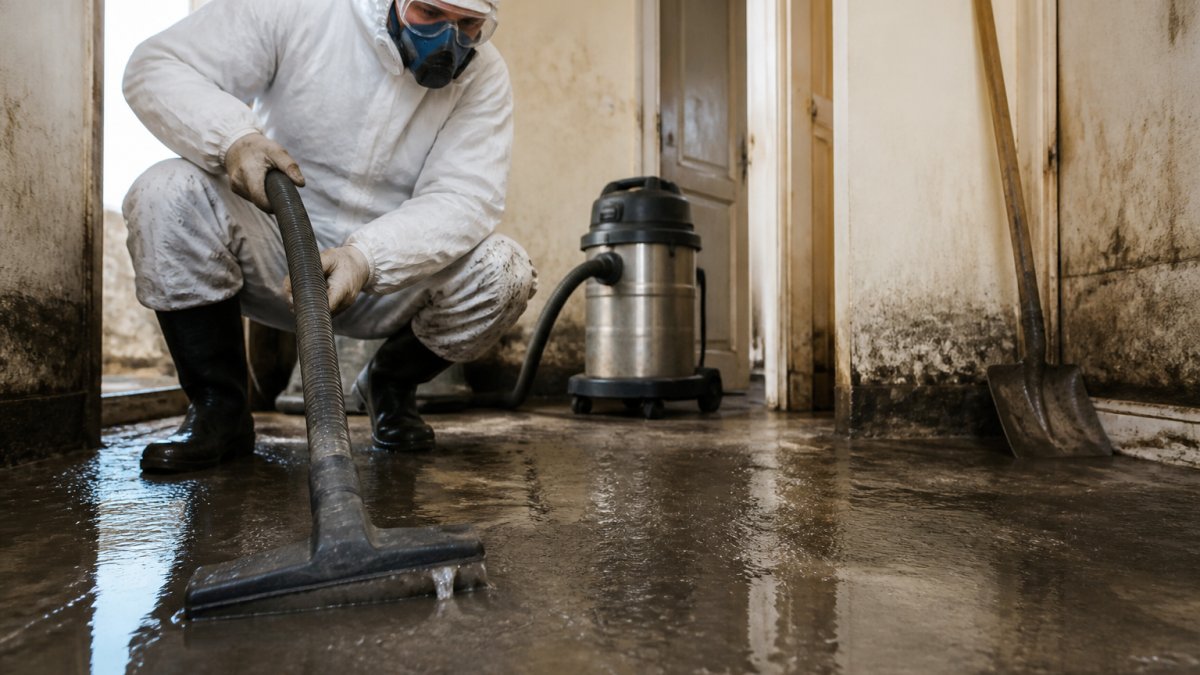
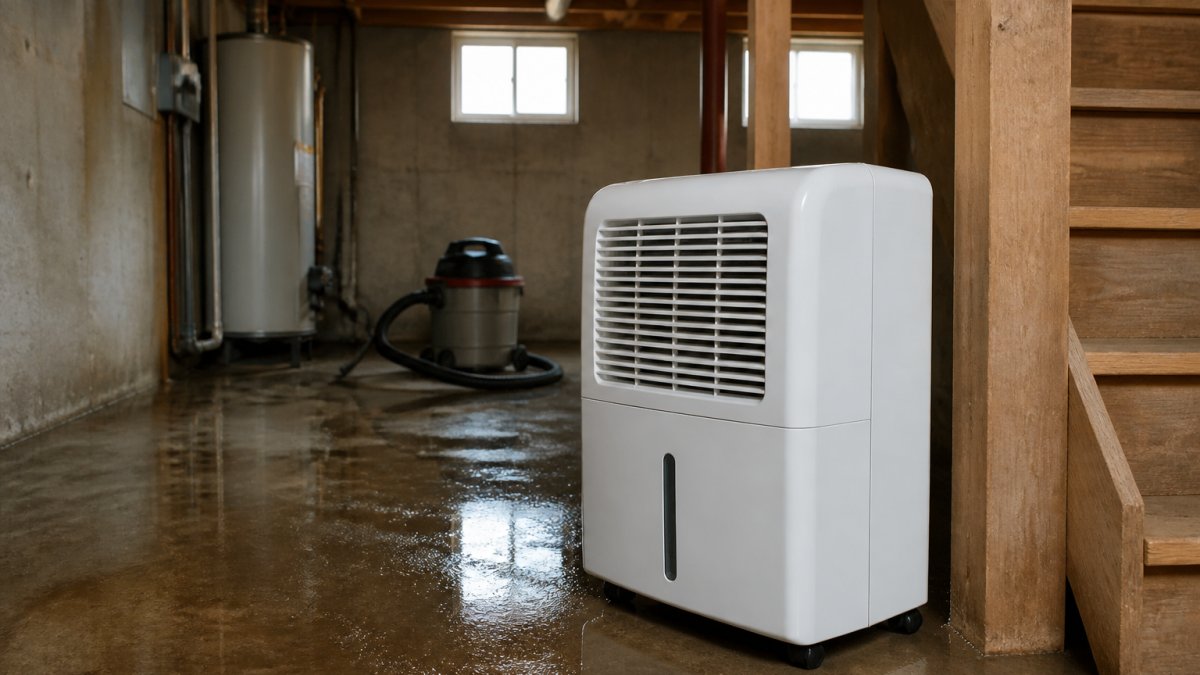
Rust and water stains deserve special attention. Panels in garages, basements, or on exterior walls can take on moisture, and water and electricity don't mix. If your home has had water damage near the panel, have it checked before assuming everything is fine.
Why this is a job for a licensed electrician
Replacing or upgrading a panel isn't a DIY project. It involves working with the main service, coordinating with the power company, pulling a permit, and passing an inspection. Doing it wrong can create a fire or shock hazard and cause problems with insurance or when you sell the house.
Rapid Refurb is licensed for electrical work, so we can evaluate your panel, explain what we find in plain language, and handle the upgrade ourselves. Because we're also a renovation and restoration company, we can patch and finish any drywall or trim affected by the work, and fold a panel upgrade into a larger remodel or a rebuild after water or fire damage.
Planning ahead costs less than waiting
A panel upgrade done on your schedule is far easier than dealing with one after a failure, a home inspection surprise during a sale, or an insurance company asking questions at renewal. If you already know a remodel or new appliances are on the horizon, it makes sense to plan the electrical side first.
If you're in Greensboro, Randleman, or anywhere in Guilford or Forsyth County and want someone to take a look at your electrical panel, give Rapid Refurb a call at 336-951-8534 or email estimates@igotrefurbed.com to schedule an estimate.


Comments