Insurance Secrets Revealed: What Experts Don't Want You to Know About Water Damage Restoration Claims
Updated: Mar 29
The Absolute Most Efficient Strategy to Conquer Your Insurance Claim and Get Your Home Restored to Perfection in Record Time
Are you standing in a puddle of water right now, staring at a ceiling leak, or wondering how on earth you're going to pay for the damage to your basement?
It’s an overwhelming feeling. We get it. One minute your home is your sanctuary, and the next, it’s a construction zone filled with the sound of industrial fans and the smell of damp drywall. You pay your insurance premiums every month with the promise that they’ll have your back when things go wrong: but when the water starts rising, the fine print starts feeling like a maze designed to keep you lost.
Recovery should feel like a steady climb back to normalcy: not a freefall into debt and paperwork. At Rapid Refurb, we believe that the water damage restoration process should be clear, manageable, and, above all, reassuring. You deserve to know the "insider secrets" that insurance adjusters don't always volunteer.
Here is everything you need to know to navigate your claim like a pro and ensure your home gets the high-quality care it deserves.
The Absolute Best Way to Handle the First 60 Minutes of Chaos
When water starts invading your living space, your brain goes into overdrive. The "fight or flight" response is real, but in the world of property damage, we need a third option: "Focus."
The very first thing you must do is stop the source. If it’s a burst pipe, shut off the main water valve immediately. If it’s a roof leak during a storm, do what you can to catch the water, but stay safe. Insurance companies have a "duty to mitigate" clause. This is a fancy way of saying if you let the water sit there for three days without trying to stop the source, they might deny your claim for negligence.
Once the water is off, breathe. You are already ahead of the game.
Secret #1: The Phrases That Kill Your Claim (And What to Say Instead)
Did you know that the specific words you use when you first call your insurance company can determine whether you get a check or a denial letter? It sounds harsh, but it’s the reality of the industry.
Never say it’s been leaking for a long time. Insurance policies are generally designed to cover "sudden and accidental" damage. If you tell the adjuster, "I think this pipe has been slow-dripping for a few months and I finally decided to call," you are handing them a reason to deny you. They will label it as "maintenance" or "gradual damage," which is almost never covered.
Instead, focus on when you discovered the damage. "I discovered the standing water this morning" is a factual statement about your awareness. Frame the event as an unexpected discovery: because for you, it was.
The "M-Word" Trap Avoid leading with the word "Mold." Most standard policies have very low limits for mold remediation: sometimes as low as $5,000, which barely scratches the surface of a major problem. If you call and say, "I have a mold problem," they may pigeonhole your entire claim into that tiny sub-limit. Instead, report it as a "water intrusion event." The mold is a secondary result of the water damage, and the water damage cleanup should be the primary focus of the claim.

Secret #2: Why Your Documentation Is the Ultimate Power Move
Information is your greatest currency. Before a single rug is pulled up or a piece of drywall is cut, you need to become a digital archivist.
The biggest secret experts won't tell you? The adjuster who visits your house is often overworked and may miss 20% of the damage. If you have the evidence, they can't argue with the facts.
The "Pre-Cleanup" Video: Take a continuous video walk-through of the entire affected area. Open cabinets, look behind furniture, and point out every wet spot.
Don't Toss the Evidence: It is tempting to throw away the soggy carpet or the broken appliance immediately. Don't. Keep the "source" of the damage (like the burst pipe connector) in a plastic bag for the adjuster to see.
Track Every Cent: From the extra towels you bought to soak up the mess to the takeout meals you had to buy because your kitchen was flooded: keep the receipts. These are often reimbursable under "Additional Living Expenses" (ALE).
At Rapid Refurb, we help with this documentation process. We know exactly what insurance companies need to see to approve a water damage restoration plan, and we make sure nothing is overlooked. Check out our FAQ for more tips on what to keep track of.
Secret #3: Navigating the Hidden Exclusions
Not all water is created equal in the eyes of an insurance company.
Flood vs. Water Damage: This is the big one. Standard homeowners insurance does not cover flooding from rising groundwater (like a river overflowing). That requires separate flood insurance. However, if a pipe bursts inside your wall, that is "water damage" and is typically covered.
Seepage: If water is seeping through your foundation over years, you’re likely on your own.
The "Matching" Rule: Some states require insurers to replace your entire floor if the damaged section cannot be perfectly matched. Adjusters won't always bring this up. They might offer to "patch" a section of hardwood, leaving you with a mismatched mess. You have the right to a home that looks the way it did before the loss.
Why Professional Certification Matters
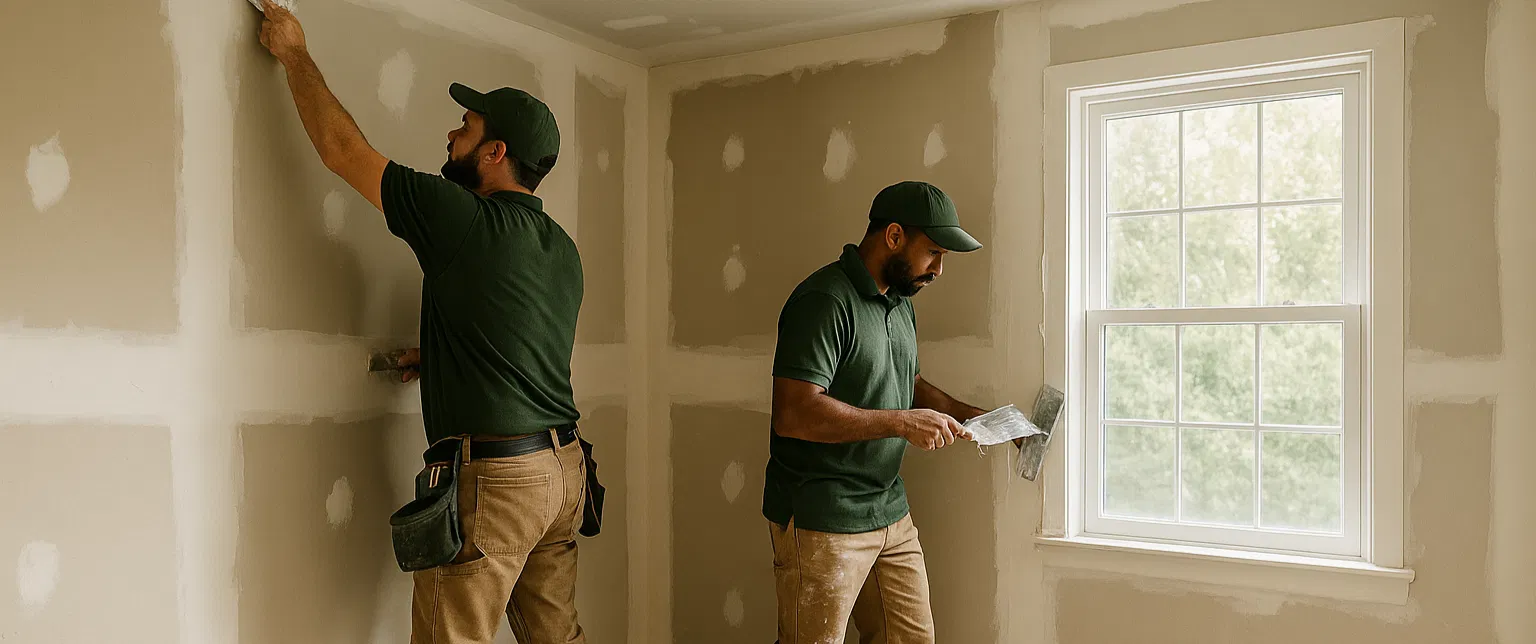
You might have a "handy" neighbor or a general contractor friend, but water damage cleanup is a science. When you're dealing with insurance, they want to see that you’ve hired someone with the right credentials.
We pride ourselves on following IICRC standards (Institute of Inspection, Cleaning and Restoration Certification). Why does this matter to you? Because when we submit an estimate based on industry-standard drying protocols, the insurance company has a much harder time low-balling the estimate. They know we are using calibrated moisture meters and professional-grade dehumidifiers that meet the "Standard of Care."
Using a certified pro means the job is done right the first time: preventing the "hidden" mold that can cause health issues down the line. You can see the quality of our certified work in our portfolio.
Handling a Denial: Don't Panic
If your claim is denied or the offer is insultingly low, you have options.
Ask for a Second Review: Sometimes a different adjuster sees things differently.
Public Adjusters: If the claim is large (over $50k-$100k), you might consider a Public Adjuster. They work for you, not the insurance company, and take a percentage of the final payout.
The Rapid Refurb Advocacy: We aren't just here to swing hammers. We are here to be your partner. We can speak the "language" of the insurance company to help clarify the scope of work required to get your home back to its original state.
Why Rapid Refurb is the Only Choice for a Perfectly Organized Recovery
Let’s be honest: the restoration industry has a reputation for being a bit chaotic. You’ve probably heard horror stories of contractors disappearing for weeks or leaving a mess behind.
Rapid Refurb was built to be the antidote to that chaos.
We believe that your home restoration should be an organized, transparent, and even: dare we say: pleasant experience. We focus on the psychological outcome of our work. We don't just want your walls to be dry; we want your mind to be at ease.
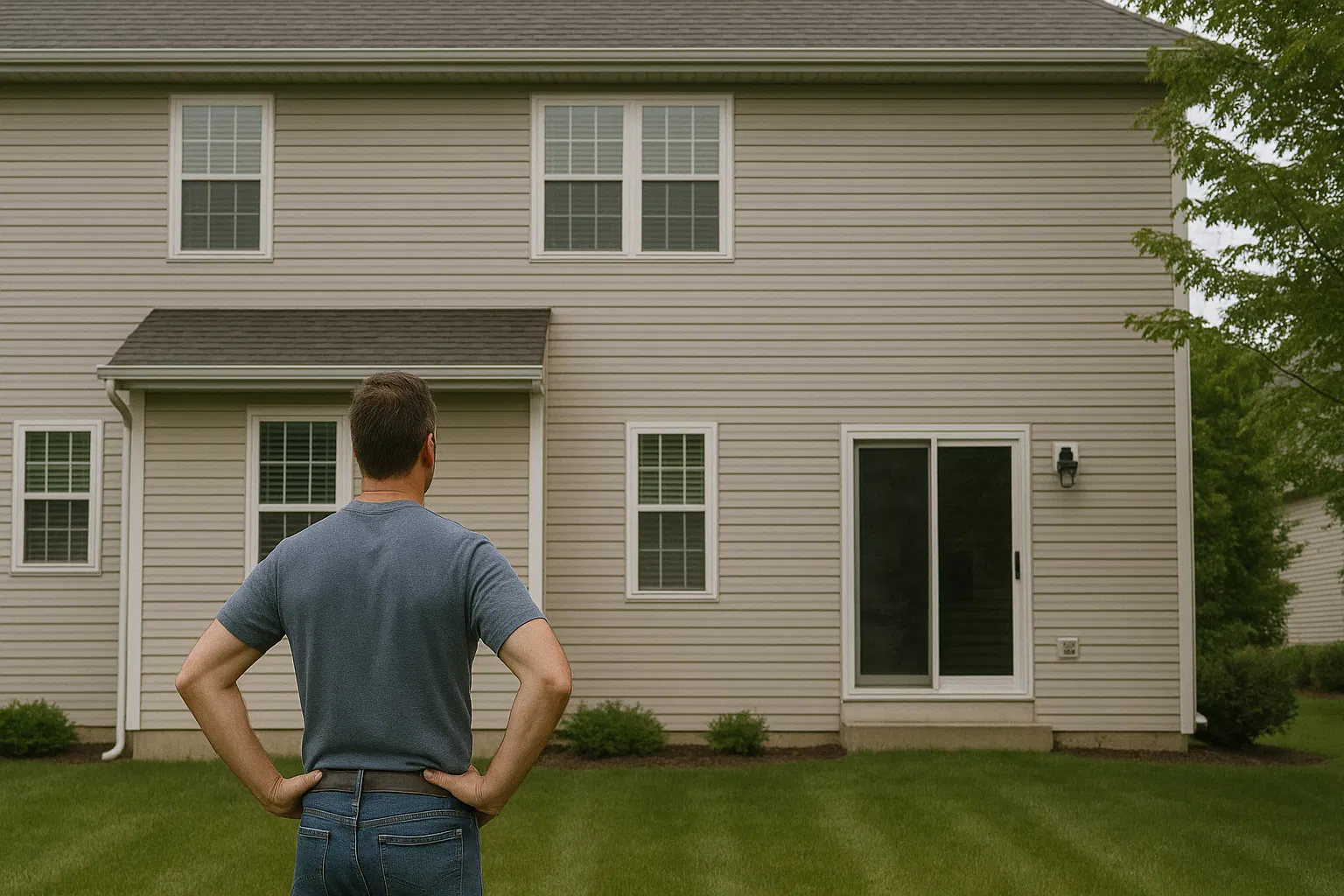
When you work with us, you get:
Clear Communication: No more wondering when the crew will show up.
Comprehensive Care: From the initial cleanup to the final coat of paint, we handle it all.
Trust: We are a BBB Accredited Business, meaning we hold ourselves to the highest standards of integrity.
Our goal is simple: We want you to look at your home a month from now and forget that the flood ever happened. You can read about how we've done this for others in our reviews.
Taking Control of Your Home’s Future Today
Water damage is a temporary setback, not a permanent state of being. By knowing these secrets: how to speak to adjusters, the importance of documentation, and the value of hiring certified experts: you have already taken the hardest step.
You don't have to do this alone. If you're currently facing property damage and feel like you're drowning in decisions, let us help you find the surface. We specialize in making the complex feel simple and the broken feel new again.
Ready to start your recovery? Contact us today for a clear, reassuring assessment of your home. Let's get things back to normal: rapidly.


Comments