7 Emergency Sewage Cleanup Safety Tips to Follow
Last Updated: November 1, 2026
Quick Summary
Sewage cleanup safety starts before you touch anything: keep everyone out of the flooded area, stop using all water, and shut off power to affected rooms at the breaker. Wear full protective gear, including waterproof boots, gloves, goggles, and a respirator, and call a professional if the flooded area is larger than roughly 10 square feet or water reached drywall or insulation.
Never wade into standing water near electrical outlets because water plus live current means electrocution risk.
Put gear on boots first and goggles last, then remove it in reverse while assuming it is contaminated.
Wash hands with soap and warm water for at least 20 seconds after removing contaminated gear.
Disinfect hard surfaces with one part household bleach to ten parts water and let it sit at least ten minutes.
Throw away porous items that touched sewage, including carpet, padding, drywall, mattresses, and stuffed toys.
Table of Contents
What to Do First After a Sewage Backup
The first step after a sewage backup is to stop the source and get people away from the water.
Homeowners often rush in, grab a mop, and make the problem worse. Here is what to do instead, in order.
Keep everyone out of the flooded area. Children, pets, and anyone with a weakened immune system stay upstairs or outside.
Stop using water. No flushing, no sinks, no showers, no laundry. Every drain you use adds more discharge to the backup.
Shut off power to the affected rooms at the breaker. Never wade into standing water near electrical outlets. Water plus live current means electrocution risk.
Call a licensed plumber to clear the blockage, and call your insurer to open a claim.
Document everything with photos before cleanup begins. This record matters later.
The CDC guidance on sewage exposure and health risks is blunt about it: assume the water is contaminated and act accordingly.
Watch out: a common mistake is stepping into the water in sneakers or bare feet to "just move a few things."
Sewage Cleanup Protective Equipment You Need Before You Start
Proper sewage cleanup protective equipment is not optional. Sewage is a Category 3 water loss, the most contaminated class, and it demands full barrier protection before you enter the space.

Here is a gear list that applies to homeowners doing cleanup:
Waterproof rubber boots with a good tread, not sneakers. Sewage floors are slick with grease and waste.
Heavy-duty waterproof gloves that reach past the wrist. Standard dish gloves are too short and tear at the cuff.
Eye protection such as sealed goggles, not glasses. Splashes from a shop vac or a hose are the most common eye-exposure route.
Put Gear On in This Order
Boots first, so your pant legs can go over them.
Coveralls over your clothes, with cuffs outside the boot tops.
Respirator or mask, fitted to your face.
Goggles last, so the strap sits against your skin, not the coverall hood.
Gloves last, with cuffs over the coverall sleeves.
Take Gear Off in Reverse, and Assume It Is Contaminated
The outside of every item is now contaminated. Do not touch it with bare hands.
Peel gloves off by the cuffs, turning them inside out, and dispose of them in a sealed bag.
Remove goggles and mask by the straps, not the front.
Unzip the coverall and roll it down away from your body, turning it inside out as you go.
Step out of boots last, and wipe them with disinfectant before storing.
Wash hands with soap and warm water for at least 20 seconds (the CDC). If no sink is available, use an alcohol-based hand sanitizer with at least 60% alcohol, then wash properly as soon as you can (the CDC).
Launder washable clothing separately in hot water and dry on high heat. Do not shake contaminated clothing, shaking aerosolizes pathogens.
Watch Out Never eat, drink, smoke, or touch your face while wearing contaminated gear. Keep a clean towel and a change of clothes outside the work area so you can dry off and dress before re-entering living space.
If You Are Exposed Anyway
Exposure happens even with good gear. What you do in the first few minutes matters.
Skin contact: Wash immediately with soap and warm water. Do not scrub hard enough to break the skin. Cover any open cut with a waterproof bandage before you go back in.
Eye splash: Flush at a sink or eyewash station for at least 15 minutes, holding the eyelid open. Remove contact lenses if you can do so without difficulty, and seek medical care the same day.
Inhalation: Move to fresh air immediately. If coughing, wheezing, or shortness of breath persists, call your doctor or seek urgent care.
Tell any clinician that you were exposed to sewage. That detail changes how they evaluate you, because the organisms in sewage, E. coli, Salmonella, hepatitis A, and others, are not the usual suspects in a routine stomach bug.
Prevention is simple: wear the gear, keep hands away from your face, and wash thoroughly when you finish.
How to Disinfect After a Sewage Backup: Step by Step
Knowing how to disinfect after a sewage backup comes down to order: clean, then disinfect, then dry. Skip a step and you leave pathogens behind on surfaces that look clean.
Clean, Then Disinfect, Then Dry
Remove standing water with a wet/dry shop vac or a pump. Never use a household vacuum.
Bag and remove solid waste and soaked porous materials. More on what goes in the trash below.
Wash hard surfaces with hot water and detergent. Scrub baseboards, floors, and framing.
Disinfect with a bleach solution. Mix one part household bleach to ten parts water, apply, and let it sit for at least ten minutes before wiping.
Ventilate the space with open windows and fans pulling air outside.
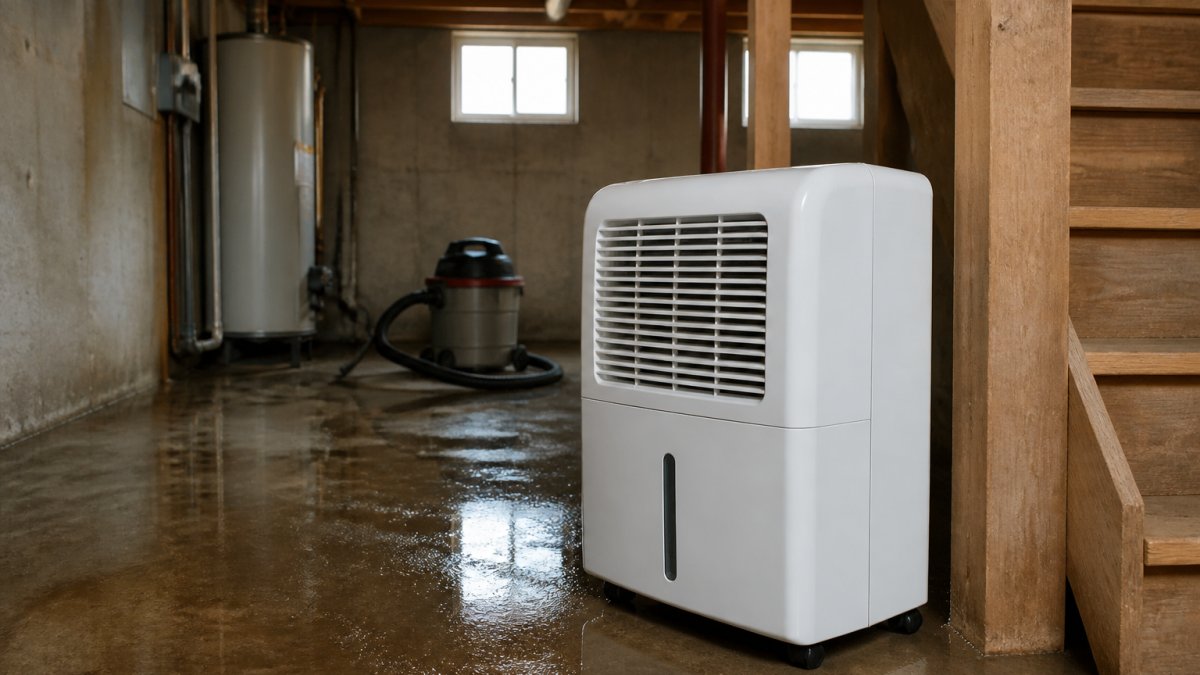
Dry everything completely with dehumidifiers and air movers.
Never mix bleach and ammonia. That combination creates toxic gas. Keep the two products in separate rooms, and never combine them in one bucket.
Disinfection follows a fixed order, and each step has its own rule.
Step | What to do | Key detail |
Remove water | Use a wet/dry shop vac or pump | Never use a household vacuum |
Bag waste | Remove solid waste and soaked porous materials | Bag in heavy plastic |
Wash surfaces | Hot water and detergent on hard surfaces | Scrub baseboards, floors, framing |
Disinfect | One part bleach to ten parts water | Let sit at least ten minutes |
Ventilate | Open windows and fans pulling air outside | Never mix bleach and ammonia |
Dry | Dehumidifiers and air movers | Dry everything completely |
What to Throw Away After a Sewage Backup
Anything porous that touched sewage should go in the trash, not the washing machine.
Toss these items:
Carpet, padding, and rugs
Drywall and insulation that absorbed water
Upholstered furniture and mattresses
Hard, non-porous items such as metal, glass, and sealed plastic can usually be cleaned and disinfected. When in doubt, throw it out.
Bag contaminated materials in heavy plastic and check with your local waste authority for disposal rules. Some areas require special handling for sewage-soaked debris.
When to Call Professional Sewage Cleanup Services
Call professional sewage cleanup services when the backup covers more than a small area, when water reached drywall or insulation, or when the source is a sewer line rather than a fixture.
Sewage damage hides in wall cavities and under flooring. A shop vac pulls water off the surface but leaves moisture in places you cannot see, and that moisture feeds mold within days.
A Practical Decision Framework
Use these thresholds to decide whether to enter and clean, or to stop and call a pro.
Stop and call a professional if any of these are true:
The flooded area is larger than roughly 10 square feet, about the size of a small bathroom floor.
Water soaked into drywall, carpet, padding, subfloor, or insulation. Porous materials that absorbed sewage cannot be reliably cleaned.
The backup came from the main sewer line, a floor drain, or a toilet that overflowed with solid waste. These indicate a higher contamination load than a single fixture backup.
You may be able to handle it yourself if all of these are true:
The backup is small, contained to a hard, non-porous surface such as a concrete utility room or a tiled bathroom floor.
The source is a single fixture, a toilet or a sink, and the blockage has been cleared by a plumber.
No water reached drywall, carpet, or subfloor.
Key Takeaway When in doubt, call a pro. The cost of an assessment is small compared with the cost of hidden moisture, mold remediation, or a hospital visit. Many restoration companies offer an assessment before work begins.
Why the Source Changes the Precautions
Not all sewage backups are equal. A toilet overflow from a clogged fixture is unpleasant but generally lower-risk than a main-line backup that brings waste from the whole neighborhood into your basement. Storm-related flooding can carry agricultural runoff, chemicals, and debris that ordinary sewage does not.
If you are weighing a DIY job against a professional crew, a restoration FAQ can answer common questions about water damage and insurance claims.
Drying, Re-Entry Checks, and Safe Disposal
Do not move back into a cleaned space until it is fully dry.
Run dehumidifiers and fans continuously, and keep windows open when weather allows. Check moisture with a meter, not with your hand.
Before re-entry, confirm:
No musty smell and no visible discoloration on walls or trim
All hard surfaces dry to the touch and moisture readings normal
The plumbing issue is fixed and tested
If you spot fuzzy growth or a persistent musty odor, read our guide to mold removal and prevention before you spend another night in the room.
Exposure Symptoms and When to See a Doctor
Sewage exposure can make you sick, and the symptoms often show up hours later.
Other warning signs include eye redness, coughing, and flu-like aches. Tell your doctor that you were exposed to sewage.
Do not wait to see whether symptoms pass on their own.
Prevention is simple: wear the gear, keep hands away from your face, and wash thoroughly when you finish.
Get a Sewage Damage Assessment and Insurance Claim Review
A professional assessment can turn a messy emergency into a documented insurance claim. Rapid Refurb can act as your claim partner, communicating directly with adjusters to help repairs get approved.
Here is what working with Rapid Refurb can involve:
Direct communication with your insurance adjuster
Licensed and insured services for the repair work
Rapid Refurb is licensed and insured, and it offers water, fire, and structural repair services.
If part of your claim gets denied, Rapid Refurb can help you pursue the appeal. Our guide on how to challenge a denied insurance claim walks through the appeal process step by step.
Ready to get your claim moving? Get Quote to talk with Rapid Refurb about your repairs.
Frequently Asked Questions
What should you do first after a sewage backup?
Stop using water immediately and shut off the main water supply if the backup is still flowing. Keep children and pets out of the affected area, and do not touch standing water. If water is near electrical outlets or appliances, shut off power at the breaker only if you can reach the panel without stepping in water. Then ventilate the space by opening windows and doors, and call a plumber or sewage cleanup professional before you start removing anything.
Is it safe to clean up sewage yourself?
Small backups that stay on hard, non-porous surfaces can sometimes be handled with proper sewage cleanup protective equipment, including waterproof gloves, rubber boots, goggles, and a face mask. Anything involving porous materials like carpet, drywall, or upholstery, or water deeper than a few centimeters, should go to professional sewage cleanup services. Sewage carries bacteria, viruses, and pathogens that pose real health hazards, and household fans can spread contaminants if used too early.
How do you disinfect after a sewage backup?
Remove all standing water and debris first, then wash affected hard surfaces with soap and water. Disinfect with a bleach solution made for surface cleaning, following the label dilution, and let it sit for the contact time listed. Never mix bleach with ammonia. Rinse and allow the area to dry completely with ventilation and dehumidification. Porous items that absorbed contaminated water usually cannot be fully sanitized and should be discarded rather than disinfected.
When should you call a professional sewage cleanup company?
Call professional sewage cleanup services when the backup covers more than a small area, when water has reached carpet, drywall, insulation, or cabinets, when the source is a main sewer line rather than a single fixture, or when anyone in the home has a weakened immune system. Professionals have the extraction equipment, disinfectants, drying tools, and documentation your insurance claim needs, and they can spot hidden sewage damage before it turns into mold or structural problems.
A sewage backup is stressful, but it does not have to derail your home. Rapid Refurb handles the assessment, the insurance communication, and the full repair so you can step back from the mess. Our licensed and insured team manages your claim from first inspection to final walkthrough. Get started with Rapid Refurb and get your home back to normal.



Comments