7 Mistakes You’re Making with Mold Remediation (and How to Protect Your Family)
Category: Mold Removal & Prevention
The Fastest, Most Reliable Mold Remediation Guide to Instantly Reclaim Your Healthy Home
Have you recently discovered a fuzzy patch of black or green on your drywall, or perhaps caught a lingering, musty scent that just won't go away no matter how much you scrub?
Finding mold in your home is more than just a cleaning chore, it’s an emotional weight. Your home is supposed to be your sanctuary. It’s where your kids play on the floor and where you sleep soundly at night. When mold moves in, that sense of security starts to crumble. You might feel overwhelmed, anxious about your family’s health, or frustrated by the sheer complexity of "fixing" it.
We understand. At Rapid Refurb, we see this every day. Dealing with home restoration should feel like a relief, not a recurring nightmare. You deserve a process that is manageable, organized, and clear. Most importantly, you deserve a home that is safe.
Before you grab a spray bottle and start scrubbing, let's slow down. Many well-meaning homeowners actually make their mold problems worse by trying to solve them the wrong way. Here are the seven biggest mistakes people make with mold remediation and, more importantly, how we can help you do it the right way.
1. Falling into the "Bleach Trap"
It is perhaps the most common DIY myth in home repair: "Just pour some bleach on it."
While bleach is great for sanitizing a countertop, it is actually one of the worst things you can use for mold on porous surfaces like wood or drywall. Why? Because mold has "roots" called hyphae. On a non-porous surface like tile, bleach works okay. But on drywall, the chemical component of bleach stays on the surface, while the water in the bleach soaks into the material.
You are essentially watering the mold.
The mold might look "gone" for a few days because the surface is white, but underneath, the roots are feasting on that new moisture. Before you know it, the mold returns stronger than ever. Professional mold remediation requires specific antimicrobial treatments that actually penetrate the material and kill the mold at its source.
2. Ignoring the Root Cause of the Moisture
Mold is not the problem, it is a symptom.
Mold needs one thing to survive: moisture. If you scrub the mold away but don't fix the leaky pipe, the high humidity in your basement, or the slow roof leak, the mold will come back. It’s a mathematical certainty.
Many homeowners treat mold like a stain, but we treat it like a biological event. Addressing the underlying water damage restoration is the only way to ensure your home stays clean. Whether it’s a burst pipe or a slow window leak, the water has to be stopped first. Without a dry environment, even the best cleaning job in the world is just a temporary bandage.
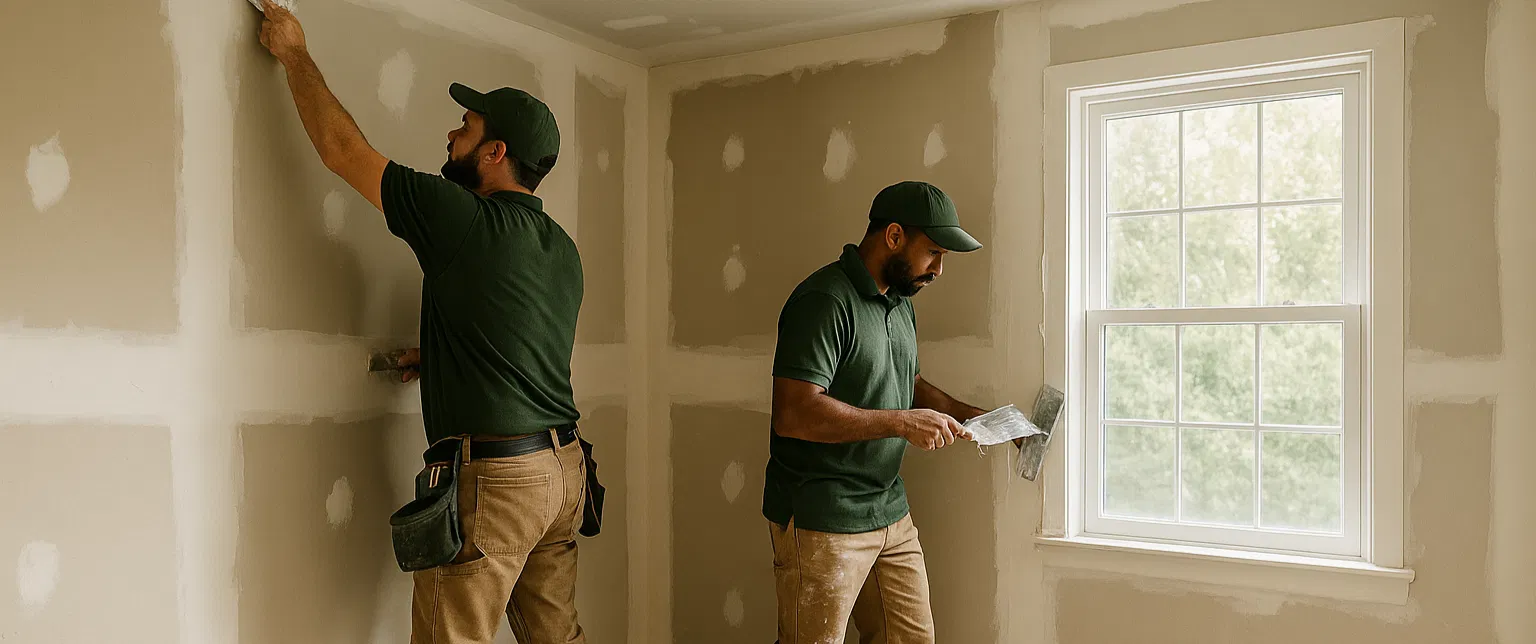
3. Spreading the Spores Through Poor Containment
This is where things get dangerous for your family. When you disturb a mold colony, by scrubbing it, cutting out the drywall, or even just blowing a fan on it, you release millions of microscopic spores into the air.
If you don't have professional containment in place, those spores travel through your hallways, land on your furniture, and get sucked into your HVAC system. You might start with a small problem in the laundry room and end up with mold spores settled in every bedroom of the house.
Professional remediation involves setting up "negative air pressure" zones using heavy-duty plastic sheeting and HEPA-filtered air scrublers. This ensures that any spores we kick up during the cleaning process are sucked out of the house, not pushed further into it. Your air should feel crisp and clean, not heavy and contaminated.

Alt-text: A professional moisture meter detecting hidden dampness behind a wall to prevent mold regrowth.
4. Painting Over the Problem
We’ve all seen it in "fixer-upper" videos: just slap some "mold-killing" primer over that dark spot and call it a day.
Please, don't do this. Painting over mold does not kill it. It just hides it. Underneath that fresh coat of paint, the mold will continue to eat the paper backing of your drywall and the wood studs of your frame. Over time, this compromises the structural integrity of your home.
Moreover, paint can trap moisture against the wood, accelerating rot. If you see mold, it needs to be removed, not camouflaged. We believe in reconstruction and remodeling that starts with a clean slate. Once the area is professionally remediated and dried, then: and only then: is it time for the finishing touches.
5. Underestimating the Scale of the Job
There is a big difference between a little mildew on your shower curtain and a two-foot patch of mold on your basement wall. If the moldy area is larger than about 10 square feet (roughly a 3x3 patch), the EPA recommends calling in the pros.
Attempting a large-scale DIY mold cleanup without the right gear is a health risk. You need more than a N95 mask from the hardware store; you need full-body protection and specialized vacuums. We often see homeowners who tried to "save money" by doing it themselves, only to end up with respiratory issues and a mold problem that doubled in size because they didn't have the right tools.
Speed and quality aren't just buzzwords for us: they are our promise. We get in, handle the heavy lifting, and get your life back to normal faster than any DIY project ever could.
6. Forgetting About the "Invisible" Mold (HVAC)
Your home has a "circulatory system": your air ducts. If mold is present in your house for an extended period, there is a high chance those spores have made their way into your HVAC system.
If you clean the walls but leave the ducts contaminated, every time your AC kicks on, you are raining mold spores down on your family. This is often why people continue to feel "sick" in their homes even after they think they’ve cleaned the mold.
As part of a comprehensive restoration plan: whether it's after mold, fire damage repair, or flooding: the air quality must be addressed. We focus on the psychological outcome: the peace of mind that comes from knowing the air your children breathe is pure.

Alt-text: A high-efficiency dehumidifier and air scrubber working in a residential basement to maintain safe humidity levels.
7. Failing to Document for Insurance
Mold remediation can be expensive, and navigating insurance adjusters is a job in itself. Many homeowners start cleaning and throwing away damaged materials before they’ve properly documented the damage. This can lead to your claim being denied.
You shouldn't have to be a legal expert to get your home fixed. Part of our job is helping you navigate insurance adjusters to ensure you get the coverage you’re entitled to. We document the moisture levels, take the "before" photos, and provide the professional reports insurance companies need to move your claim forward quickly.
How to Protect Your Family Starting Today
The safety of your family depends on speed and precision. If you suspect you have a mold problem, don't wait for it to "dry out" on its own. Mold can begin growing in as little as 24 to 48 hours after a water event.
Here is your immediate action plan:
Identify the Water: Find out where the moisture is coming from and stop it if possible.
Control Humidity: Keep your home's humidity levels below 50%. Use a dehumidifier if you have to.
Don't Touch: If you see a large colony, don't disturb it. Don't put a fan on it.
Call the Experts: Get a professional assessment to see how deep the problem goes.
At Rapid Refurb, we pride ourselves on being more than just a repair crew: we are your partners in restoration. We specialize in structural home repair and whole-house recovery. We understand the stress of a damaged home, and we work tirelessly to replace that stress with confidence.
Your home should be a place of rest: not a source of worry. Let’s make it right, together.
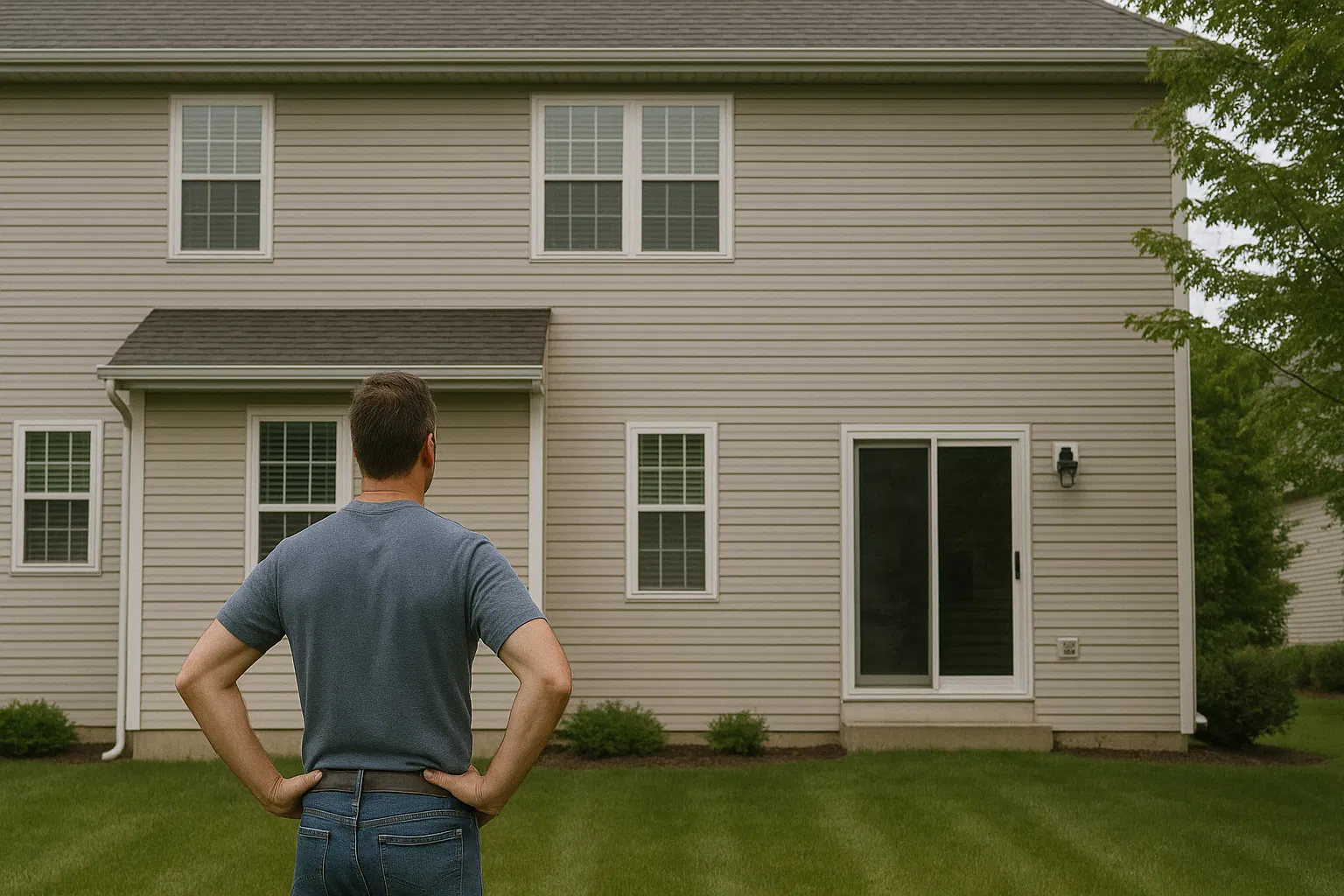
Ready to reclaim your home? If you're dealing with mold, water, or fire damage, don't face it alone. We offer fast, high-quality restoration services that put your family first.
Rapid Refurb: We restore more than homes.

Follow us for more home restoration tips and tricks:


Comments