Home Restoration Companies That Work With Insurance
Last Updated: October 22, 2026
Quick Summary
Home restoration companies insurance providers work with include national franchises, independent local contractors, public adjusters, and claims-management services. Restoration contractors repair damage and communicate with insurers, while public adjusters negotiate claims for a contingency fee but do not perform repairs.
Restoration contractors are incentivized to finish work quickly because they are paid upon completion and project approval.
Public adjusters typically charge 10% to 15% of any claim increase they negotiate and benefit from longer, more complex claims.
Direct billing or assignment of benefits allows contractors to bill your insurer directly while you pay your deductible.
Verify contractor licensing, general liability insurance, workers compensation coverage, and IICRC certifications before hiring.
Compare estimates by scope and line-item detail rather than total price to avoid hidden costs and supplements later.
Table of Contents
What Companies Actually Manage Insurance Claims for Homeowners
Restoration Contractor vs. Public Adjuster: Understanding the Difference
What a Restoration Contractor Does
What a Public Adjuster Does
Who Pays Whom and How Assignment of Benefits Works
How Home Restoration Companies That Work With Insurance Operate
The Four Service Models You Will Encounter
What Each Model Actually Does, and Does Not Do
Selection Criteria That Actually Matter
Who Pays the Restoration Company
A Note on Franchise Alternatives
The Insurance Claim Repair Process for Homeowners
Emergency Response and Initial Assessment
Working With the Insurance Adjuster
Approval, Billing, and Project Completion
Red Flags: What to Avoid When Choosing a Restoration Partner
How to Evaluate Estimates and Protect Yourself
Read the Estimate Line by Line
Compare Scope, Not Just Price
Document Everything Yourself
Understand Supplements and Hidden Damage
Handle Disagreements in Writing
Protect Yourself Before You Sign
A Simple Decision Framework
Frequently Asked Questions
What Companies Actually Manage Insurance Claims for Homeowners
When your home suffers water, fire, or storm damage, one question matters most: which home restoration companies insurance providers work with actually manage the claim? Understanding which companies specialize in managing insurance claims, and how they differ, is essential before choosing a partner.
Home restoration companies insurance providers partner with fall into distinct categories: contractors who repair damage, advocates who fight for higher payouts, and hybrids with different commitments to each, fundamentally different services with different incentives.
Restoration Contractor vs. Public Adjuster: Understanding the Difference
The biggest mistake homeowners make is treating all restoration companies the same. Understanding the difference between a restoration contractor and a public adjuster can save you thousands of dollars and months of stress.
What a Restoration Contractor Does
A restoration contractor repairs your home: assessing damage, creating estimates, communicating with your adjuster, and fixing what's broken.
The contractor's incentive is straightforward: complete the job well and get paid.
Rapid Refurb operates as a restoration contractor, handling the full process from assessment through final repairs while managing insurance communication.
What a Public Adjuster Does
A public adjuster is not a contractor and repairs nothing.
Public adjusters work on contingency, taking typically 10% to 15% of any increase they negotiate. If they don't increase your claim, they don't get paid.
This creates a powerful incentive to maximize the claim, but also a conflict.
Who Pays Whom and How Assignment of Benefits Works
When you file a claim, your insurer approves a payout. The question becomes: who receives that money?
Direct billing (assignment of benefits): You authorize the contractor to bill your insurer directly. This is the fastest path to repairs because the contractor is incentivized to finish and submit for payment.
Hybrid approach: Some companies offer both services, functioning as contractors while pushing back on adjuster assessments.
The key question: who benefits from speed versus delay? A contractor benefits from finishing fast.
How Home Restoration Companies That Work With Insurance Operate
Homeowners searching for companies like Servpro usually want a neutral map of the alternatives, but results are fragmented across local listings, directories, and competitor roundups. Here is that map.

The Four Service Models You Will Encounter
1. National restoration franchises. These best-known names operate through independently owned franchises, so quality, response time, and pricing vary by location even under the same brand.
2. Independent local restoration contractors. These single-location, often family-owned companies handle water, fire, mold, and storm damage.
3. Public adjusters. These licensed professionals represent you in the claim itself and repair nothing.
**4.
What Each Model Actually Does, and Does Not Do
The most useful distinction: a restoration contractor repairs property, and a public adjuster negotiates the claim.
A public adjuster, by contrast, is incentivized to increase the claim because their fee is tied to the increase they negotiate.
Some companies blur the line by offering both repair and claim-advocacy services.
Selection Criteria That Actually Matter
Rather than comparing brand names, compare these attributes across any provider:
Emergency response time. Ask for their stated response window and whether it is a guarantee or an estimate. Water damage mitigation is time-sensitive; every hour of delay increases the scope of loss.
Geographic coverage and local capacity. Confirm the specific office that will serve you, not just the national brand, and ask how they staff during regional disasters.
Licensing and certifications. Verify state contractor licensing and check for industry certifications such as those from the Institute of Inspection, Cleaning and Restoration Certification (IICRC).
Insurance and bonding. Confirm general liability and workers' compensation coverage, and ask for certificates.
Who Pays the Restoration Company
Payment flow surprises homeowners most. In direct billing or assignment of benefits, you authorize the contractor to bill your insurer directly; the insurer pays the contractor and you remain responsible for your deductible. In other arrangements, the insurer pays you and you pay the contractor. Either way, you're responsible for charges your policy doesn't cover, so read the authorization and assignment language before signing.
Watch Out An assignment of benefits transfers certain rights under your policy to the contractor. Some states regulate these agreements and some lenders and insurers restrict them. Read the document and, if anything is unclear, get independent advice before signing.
A Note on Franchise Alternatives
The honest answer to "are there companies like Servpro" is yes, many. The right choice depends less on brand than on fit: a franchise for broad coverage and standardized process, an independent local contractor for flexibility and local relationships, a public adjuster when the claim is disputed or undervalued, or a claims-management service for coordination without repairs.
The Insurance Claim Repair Process for Homeowners
Understanding the timeline and sequence of the claim process removes much of the uncertainty.
Emergency Response and Initial Assessment
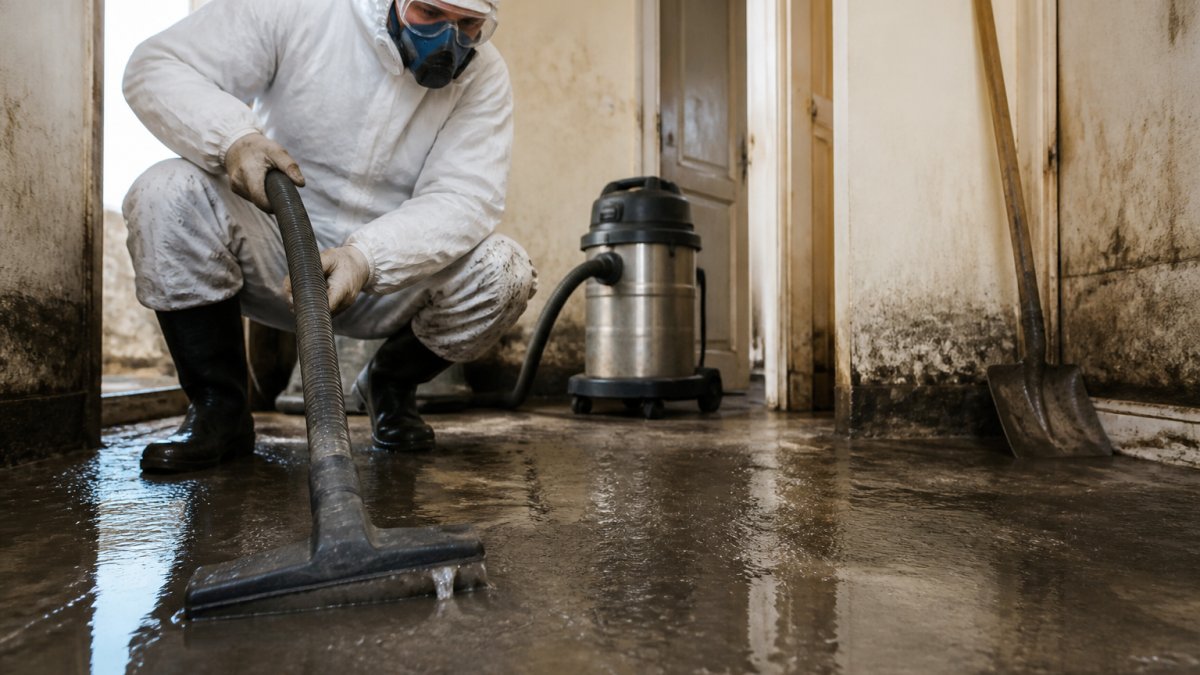
The first step is immediate. Water damage requires fast mitigation or it spreads. Fire damage needs board-up and stabilization.
A qualified restoration contractor responds fast, often within hours, assessing what's damaged, salvageable, or needs emergency work, and documenting everything with photos.
This initial assessment becomes the foundation of your claim. A thorough assessment now prevents disputes later.
Working With the Insurance Adjuster
After you file a claim, your insurer sends an adjuster to inspect damage and estimate repair costs.
That's why having a contractor in your corner matters: they can explain why an estimate is incomplete, point out missed damage, and request a re-inspection when the initial assessment is clearly wrong.
You have the right to dispute an adjuster's estimate. But you need someone who knows how to do it effectively.
Approval, Billing, and Project Completion
Once the estimate is approved, work begins. The contractor bills the insurance company as work progresses. You pay your deductible. The insurer pays the contractor.
The timeline depends on damage severity: a kitchen restoration might take 4-6 weeks, major structural repairs months. A contractor who communicates clearly about timeline prevents frustration.
Red Flags: What to Avoid When Choosing a Restoration Partner
Not all restoration companies operate fairly. Watch for these warning signs.
Pressure to sign quickly. A legitimate contractor explains the process and answers questions.
Promises to maximize your claim. No contractor can guarantee a specific claim amount.
Vague estimates. If the estimate lacks detail, walk away. You can't approve what you don't understand.
How to Evaluate Estimates and Protect Yourself
An estimate determines what gets fixed and what you pay. Most homeowners glance at the total and sign, the single most expensive habit in the claims process. Here is how to actually read one.
Read the Estimate Line by Line
A professional restoration estimate is organized by room or area and broken into line items for labor, materials, equipment, and disposal. Compare estimates on structure, not just total:
Quantities. Are square footages and linear measurements consistent between bidders? A lower total often reflects a smaller assumed scope, not a better price.
Included vs. excluded work. One estimate may include mold remediation, content cleaning, or pack-out; another may exclude them. Differences in scope explain most price gaps.
Equipment and drying. Water mitigation estimates should specify the number and type of air movers and dehumidifiers and the number of drying days. Vague equipment lines are a warning sign.
Disposal and dumpster fees. These are commonly omitted from low bids and added later as change orders.
Permits and code upgrades. Ask whether permits and code-required upgrades are included, since insurers may cover some code upgrades but only if they are documented.
Compare Scope, Not Just Price
Get at least two or three written estimates and compare them by category. If one bid is dramatically lower, find out what it leaves out before treating it as the best deal. The lowest bid often assumes the smallest scope and generates the most supplements later, legitimate, but you should know it going in.
Document Everything Yourself
You are a party to the claim, and your own records matter. Before work begins:
Photograph and video every affected area, including close-ups of damage and wide shots showing context.
Keep a written log of dates, calls, and who said what.
Save every estimate, supplement, and approval in one folder.
Do not discard damaged materials until your adjuster has seen them or the contractor has documented them.
Understand Supplements and Hidden Damage
Initial estimates cover visible damage. Hidden damage, water behind walls, mold in cavities, structural issues under flooring, is common and handled through a supplemental claim. A legitimate supplement is documented with photos, measurements, and a written explanation of why the additional work is necessary. Ask your contractor how they handle supplements, whether they charge, and how they'll keep you informed before submitting one.
Pro Tip Ask your contractor to walk you through the estimate line by line before you sign. A contractor who cannot or will not explain the scope in plain language is a risk, regardless of price.
Handle Disagreements in Writing
If you believe the insurer's estimate is incomplete, you have the right to dispute it. The most effective approach is a written, itemized response, not a phone argument. Point to specific line items, attach photos and measurements, and request a re-inspection where warranted. If the dispute is significant or the claim complex, that is when a public adjuster or independent appraisal may be worth considering.
Protect Yourself Before You Sign
Verify licensing and insurance. Check your state contractor licensing board and confirm general liability and workers' compensation coverage with certificates.
Get the scope in writing. If it is not in the estimate, it does not exist.
Understand your deductible. It is your responsibility, and it cannot be waived or absorbed by the contractor in most circumstances.
Read assignment and authorization language. Know what rights you are transferring and to whom.
Ask about warranties. Get workmanship and material warranty terms in writing.
A Simple Decision Framework
Score each provider on five factors: scope detail, documentation quality, claim communication, licensing and insurance, and warranty terms. The provider that scores highest across all five, not the lowest headline price, usually produces the fewest surprises.
Frequently Asked Questions
Does homeowners insurance pay the restoration contractor or me?
This depends on your agreement. With assignment of benefits, your insurance company pays the contractor directly. The contractor bills the insurer and you pay your deductible. Without assignment, you receive the settlement check and hire and pay the contractor yourself. Direct billing protects you because the contractor has incentive to stay within approved scope, while you maintain control over who does the work and how much you spend.
What is the difference between a restoration contractor and a public adjuster?
A restoration contractor repairs your home and works with insurance to get claims approved. A public adjuster advocates for higher claim settlements but does not perform repairs. Contractors are paid by insurance or you; public adjusters take 10% of the additional settlement they negotiate. You can use both, but understand their different roles: one fixes damage, one fights for claim value.
How long does the insurance claim repair process take for homeowners?
Timeline varies. Emergency response happens within 24-48 hours. Insurance adjuster inspection takes 3-10 days. Approval typically follows within 1-3 weeks. Repairs begin once approved and take days to weeks depending on damage severity. Total time from loss to completion ranges from 2-8 weeks for straightforward claims, longer for complex damage. Licensed contractors with direct adjuster communication often accelerate approval and start dates.
Can I choose my own contractor after filing a home insurance claim?
Yes. You have the right to select any licensed, insured contractor. Your insurance company cannot force you to use their preferred vendor, though they may recommend one. Get multiple estimates and verify licensing and insurance before hiring. A contractor experienced with insurance claims will streamline approval and communication with your adjuster, reducing delays and disputes.
Get Quote
Add rapidrefurb.com as a preferred source on Google →



Comments