Fire Damage Secrets Revealed: Why the Water Used to Stop the Flames Is Your Next Big Problem
Are you standing in the aftermath of a fire, wondering if the worst is finally over?
It’s a natural thought. The sirens have faded. The smoke has cleared. The red trucks are gone. You look at the blackened walls and the charred remains of your belongings, thinking the fire was the enemy. But here is the secret most homeowners don’t realize until it’s too late : the very water used to save your home is often the thing that starts its next slow-motion destruction.
At Rapid Refurb, we believe restoring your home should feel like a fresh start : not a mounting list of hidden disasters. We’ve seen it a thousand times. A fire is out in minutes, but the water left behind can destroy a house for months.
The Hidden Enemy: Secondary Water Damage
When the fire department arrives, they have one job: stop the flames. They do it with incredible speed and thousands of gallons of high-pressure water. It’s a heroic effort, but it leaves your home in a state of high-impact saturation.
This is what we call secondary water damage.
While you are focused on the soot and the smell, water is quietly migrating. It’s moving through your floorboards : trickling behind your baseboards : and soaking deep into your insulation. Fire damage is loud and obvious. Water damage is quiet and patient.
Why Speed Is the Only Weapon You Have
You don't have weeks to decide what to do next. You don't even have days.
Within 24 to 48 hours, that moisture becomes a breeding ground. Mold doesn't wait for your insurance adjuster to call you back. It doesn't care that you’re still processing the shock of the fire. It starts colonizing your drywall and your wooden studs the moment the temperature and humidity hit the "sweet spot."
We are the fastest in the business when it comes to rebuilds because we know that every hour matters. We don't just "show up." We move.

The Three Traps of Post-Fire Moisture
If you aren’t looking for the water, you’re missing the real story of your home’s health. Here is what is happening behind the scenes while you wait:
The Insulation Sponge: Modern fiberglass insulation is fantastic at keeping your home warm, but it acts like a giant sponge when hit with fire hoses. Once it’s soaked, it loses its structural integrity and stays wet for weeks. It won't dry on its own : it just sits there, rotting your wall studs from the inside out.
The Electrical Hazard: Water and electricity are a lethal combination. Even if the power is off, moisture trapped in junction boxes and conduits can cause long-term corrosion. This leads to shorts and, ironically, a higher risk of another fire down the road.
The Structural Sag: Your subfloors and ceiling joists are designed to hold weight, but not the weight of thousands of gallons of water. Over time, that trapped moisture weakens the wood, leading to warped floors and sagging ceilings that are much more expensive to fix later.
Restoration should feel like a steady climb back to normalcy : not a freefall into deeper debt and structural instability.
How We Make the Overwhelming Manageable
We know you’re stressed. We know you’re tired of answering questions from people who don't seem to understand the urgency.
That’s where we come in. We don't just swing hammers; we bring order to the chaos.
Step 1: Precision Detection
We don’t guess where the water is. We use industrial-grade moisture meters and thermal imaging to see through your walls. We find the "invisible" puddles that are waiting to turn into mold.
Step 2: High-Speed Mitigation
We deploy industrial air movers and dehumidifiers immediately. We don't just dry the surface; we dry the structure. We pull the moisture out of the air and the materials before the mold has a chance to take root. You can see our past work and the quality we bring to every job in our Portfolio.
Step 3: Unmatched Reconstruction
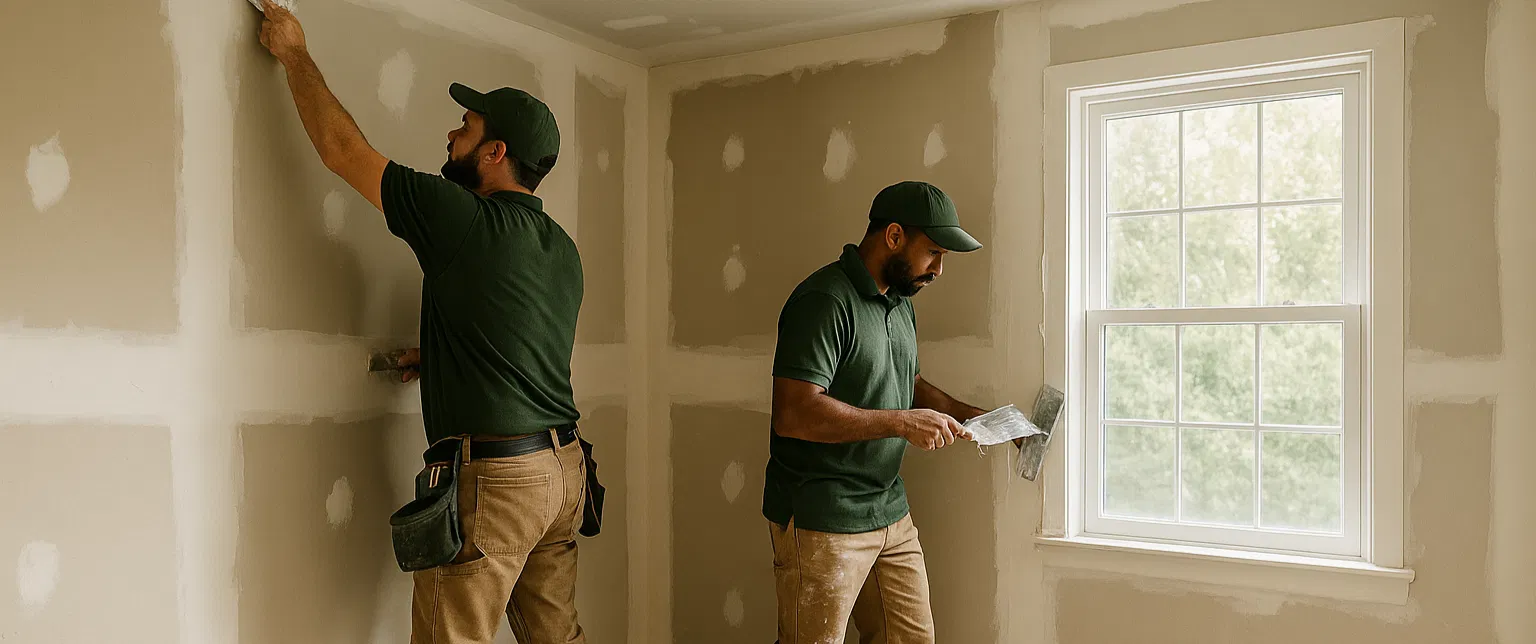
Once the house is dry and safe, our team of experts moves in to rebuild. Whether it’s a kitchen transformation or a full interior makeover, we handle everything. We are BBB accredited, which means you can trust that our quality isn't just a promise : it’s a verified standard.
You Are Not Alone in This Process
Navigating insurance claims while your home is in pieces is a nightmare. It should feel like a partnership : not a battle.
We help you stay organized. We keep you informed. We tell you what to expect before it happens, so you’re never caught off guard. From the first moisture reading to the final coat of paint, we are there to move the needle forward.
We also know that the financial side of a disaster is one of the biggest stressors. That’s why we offer financing options to make sure your home gets the care it needs right now : not just when the insurance check finally clears.
Confidence Is the Final Goal
The technical specs of a dehumidifier or the brand of the joint compound we use are important, but they aren't the point.
The point is how you feel when you walk through your front door again.
You should feel confident. You should feel safe. You should look at your walls and know that they aren't just pretty : they are healthy. They are dry. They are built to last.

Don't let the water used to save your home become the thing that destroys it. The clock is ticking on secondary damage, but you have the power to stop it.
Ready to get your home back?
We’re ready to help. We serve the Triad, Hickory, Fayetteville, and surrounding areas with the fastest, highest-quality restoration services in the business.
Stop the damage before it spreads.
Contact Us Today or check out our FAQ for more information on how we can help you recover from fire and water damage.
Follow us for more restoration tips and project updates:
Category: Restoration Tips


Comments